
India's Logistics Revolution: Can Gati Shakti Unlock a $1 Trillion Opportunity?
India's logistics sector has historically been one of the biggest bottlenecks to economic growth. Logistics costs in India account for approximately 13–14% of GDP, significantly higher than developed economies such as the United States (8%) and Germany (7-8%).
Vidit Garg, Aashi Goyal
2/27/20262 min read

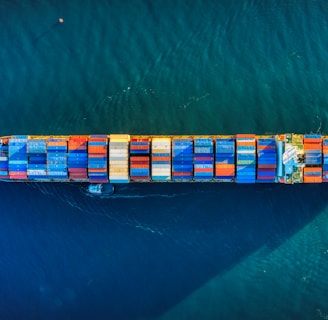
India's logistics sector has historically been one of the biggest bottlenecks to economic growth.
Logistics costs in India account for approximately 13–14% of GDP, significantly higher than developed economies such as the United States (8%) and Germany (7–8%). These inefficiencies increase business costs, reduce export competitiveness, and impact overall economic productivity.
To address this challenge, the Government of India launched the PM Gati Shakti National Master Plan in 2021, integrating infrastructure planning across railways, roads, ports, airports, and industrial corridors.
Why Logistics Matters
India aims to become a $5 trillion economy and a global manufacturing hub. Neither objective is achievable without efficient logistics infrastructure.
According to Invest India, the logistics sector contributes nearly 14.4 million jobs and is expected to reach a market size exceeding $380 billion by 2025.
Key challenges include:
• Fragmented transportation systems
• High dependence on road transport (approximately 70% of freight movement)
• Limited multimodal connectivity
• Delays in cargo handling and warehousing
These inefficiencies increase lead times and raise costs for businesses across sectors.
What Is PM Gati Shakti?
PM Gati Shakti is a digital platform connecting 16 ministries through a unified infrastructure planning framework.
The initiative aims to:
• Improve multimodal connectivity
• Reduce logistics costs from 13–14% to 8–9% of GDP
• Accelerate project execution
• Improve supply chain efficiency
Major projects linked to the initiative include:
• Dedicated Freight Corridors (DFC)
• Bharatmala Pariyojana
• Sagarmala Programme
• Industrial Corridors
• Airport expansion initiatives
Economic Impact
The Dedicated Freight Corridor alone is expected to increase freight train speeds from 25 km/h to nearly 70 km/h.
Similarly, Bharatmala aims to develop over 34,000 km of highways, reducing transportation time between key manufacturing hubs.
For businesses, lower logistics costs can directly improve margins.
For example, a 3–4% reduction in logistics expenses can significantly improve profitability in sectors such as FMCG, retail, manufacturing, and e-commerce.
Emerging Investment Opportunities
Several industries stand to benefit from the logistics transformation:
Warehousing
India's warehousing market is expected to exceed 500 million square feet of Grade A stock by 2030, driven by e-commerce and manufacturing growth.
Logistics Technology
Companies focused on route optimization, fleet management, and supply chain visibility are witnessing strong demand.
Industrial Real Estate
Improved connectivity is increasing investor interest in industrial parks and logistics hubs across Tier II and Tier III cities.
Manufacturing
Reduced transportation costs strengthen India's position in the global China+1 manufacturing strategy.
Challenges Ahead
Despite significant progress, challenges remain:
• Land acquisition delays
• Project execution bottlenecks
• State-level coordination issues
• Environmental clearances
Successful implementation will require sustained coordination between government agencies and private stakeholders.
Altivus View
India's logistics transformation is more than an infrastructure story. It is a competitiveness story.
If logistics costs move closer to global benchmarks, India could strengthen its position as a manufacturing, export, and supply chain powerhouse.
For investors, businesses, and policymakers, the logistics sector represents one of the most important structural themes to watch over the next decade.
The success of PM Gati Shakti may ultimately determine how quickly India can convert its demographic advantage into sustained economic growth.